Author: Benjamin Williamson

  • Negotiating Real Estate Commission

    Negotiating Real Estate Commission

    Negotiating Real Estate Commission

    One of the largest costs when selling a home is the real estate commission. This is the amount you pay an agent to help sell your house. Fortunately, commissions are absolutely negotiable.

    Whether you’re an investor or you’re buying or selling your own home, you should always negotiate real estate commission. Let’s discuss why, and how to do it.

    Real estate commission and who pays it

    A real estate commission is the payment that a realtor gets paid to help their client sell or buy a house. While commissions may sometimes be flat rates, most agents are paid a percentage on the final sale price of a home.

    The seller typically pays the full commission of approximately 6%, which is split between the listing agent or the buyer’s agent. The buyer does not usually have to pay any commission for their agent. Instead, commission is typically deducted from the sale’s profits at closing.

    As an example, if a home is sold for $250,000, and there is a 6% split 50/50 commission, the seller would pay $15,000 and each agent would get $7,500. Each agent will pay a percentage to their broker, and overhead expenses from this amount.

    Why you should always negotiate real estate commission

    Although real estate agents are independent contractors and may have to pay a fixed amount to their broker for certain services, they often have some discretion in the percentage they charge. 

    In the same way a landlord may have overhead expenses that need to be paid on real estate investments but are able to set their own monthly rent, a real estate agent has a say over how much commission they’ll receive. By reducing their own commission percentage, they are simply lowering the amount they’ll make on the sale. 

    You may also be able request additional services, such as professional staging or virtual tours, for no additional charge. If these are services that the agent typically provides, you may be able to negotiate a lower commission by waiving them. Be careful not to reduce services too much though, as this could lead to a drop in selling price.

    Negotiating Real Estate Commission

    How to negotiate a lower real estate commission

    When you are trying to negotiate a commission for your agent, it is important to have a plan and a reason why you might be entitled to a lower commission. These are some tips to help you prepare for negotiations and how to secure a lower rate.

    Interview multiple agents

    To choose the right real estate agent for you, while gaining some bargaining power, you should always interview a minimum of three agents prior to selecting one. Realtors give advice that can be invaluable, so you need to ensure they are not only knowledgeable in the local market, but also that they match your personality and can help you achieve your goals when selling your home.

    Taking a chance with a newer agent can sometimes be beneficial. They may be willing to offer a lower commission rate in exchange for the chance to build their client base. 

    Take the local market and season into consideration

    Consider the local real estate market before you present your case to receive a lower commission. Listing agents in a hot seller’s market may be more likely than others to negotiate a lower commission because your home will likely sell quickly and with less work from the agent.

    However, in a buyer’s market an agent might not be as willing to accept a lower commission. Typically this means that there is an abundance of inventory and the house may take longer to sell. This will create more work and time for the agent to get the house sold.

    You may also find that agents are more open to negotiating commission rates if you sell in an off-peak season. Generally they will have less business during these times, and may accept a lower commission for the opportunity to sell your house.

    Negotiating Real Estate Commissions

    Luxury homes

    If you are selling a property with a higher asking price, an agent might agree to a lower commission. Agents can make a great commission on a more expensive house, even with a reduced rate. 

    Agents may also find it easier to sell homes in more desirable areas. This will require less time spent on things like open houses, which in turn will mean less work on their part.

    Multiple transaction and repeat business 

    If you are an investor, you may be able to negotiate a lower commission rate with the promise of multiple transactions. They may be hired to sell one home and purchase another, or they may be able to help you purchase multiple properties simultaneously. 

    Agents dream of securing investor clients. Although residential clients might only purchase or sell one to two homes per decade, larger investors may buy multiple properties in a short period of time. An agent might offer a low rate to entice investors to return business, knowing they will be using them again for future transactions.

    Don’t sacrifice quality for lower commissions

    It is not always best to go with the least expensive option. Although investors are skilled negotiators, they typically avoid choosing the cheapest real estate agent.

    An experienced agent that is familiar with the area can save you money by knowing their value and keeping you from making a potentially regrettable deal.

    Conclusion

    No matter what type of buyer or seller you are, you should always negotiate real estate commission. Just make sure you are dealing with an experienced and reputable agent, and don’t be afraid to ask. Whether you’re an investor doing multiple transactions in a short period of time, or selling your personal home, you may be surprised at just how much you’ll save!

  • What Are The Costs Of Selling A House?

    What Are The Costs Of Selling A House?

    Looking at the costs of selling a house

    When it comes to the preparations for selling your home, you’ll probably spend a lot of money. There are many expenses involved in preparing your house for sale. Let’s take a closer look at some of these costs.

    Real Estate Agent Commission

    The commission for a REALTOR®, or real estate agent, will be your first expense. It will typically cost between 5 and 6% of the sale price. Even if you need to pay REALTOR® or agent fees, most real estate professionals recommend that you hire a listing agent to sell your house. It may be tempting to sell your home yourself. However, there are many reasons why you should hire a REALTOR® or real estate agent.

    • Sometimes, a buyer’s representative won’t show houses if there isn’t a selling agent.
    • Selling a by-owner (FSBO) home may cost you more in the long term.
    • Agents can negotiate for you and ensure you receive a fair price.
    • When it comes to preparing your house for sale, real estate agents can provide valuable guidance.

    You can list your home without the help of a real estate agent. However, if you want to save on the cost of a real estate agent, then you should be able to manage all negotiations, valuations, and paperwork yourself.

    • Pre-inspections

    pre-inspections when selling a house

    Pre-inspections typically cost between $300 and $500. A pre-inspection can seem unnecessary, but it could be a worthwhile investment. Potential home buyers often back out when they discover unexpected problems with their home appraisals or inspections. Delays in selling can prove costly and frustrating.

    Seller concessions are very common. While there are limits to the amount of a home’s appraised value and purchase price that can be offered in a seller concession, they won’t stop you from spending a lot. If the mortgage is a conforming loan, the seller can contribute as much as 9% with a downpayment of less than 25%.

    You can negotiate better if you know of potential issues and have already incorporated them into your home repairs budget or terms.

    • Professional cleaning

    A professional deep clean typically costs between $200 and $400. The square footage of your home will determine the cost. You could probably do this yourself. It’s up to you to decide if you are willing and able to put in the effort during a stressful sale.

    • Home improvements and repairs

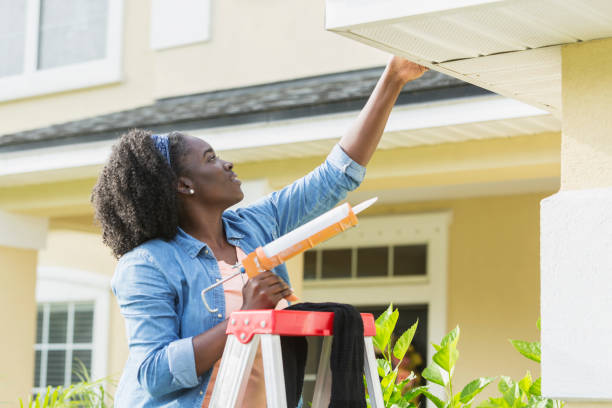
    There are many home improvements that can increase the value of your house before you sell it. Not all renovations are equal before selling. Kitchen renovations can be very cost-effective and increase your home’s value. Windows, however, are a big money sink. On average, you’ll spend about $4,000, which will likely be a worthwhile investment.

    • Landscaping

    The average seller spends $145 on landscaping. It’s up to you to decide if a little bit can make a big difference in your home’s curb appeal or if it’s better to leave your house as is.

    • Home staging

    Staging can help you set your home apart from the rest and give buyers that “love at the first sight” feeling.

    Because of the logistics of moving furniture around, many people find it difficult to stage their homes without professional help. You will need to put in a lot of effort to make your home attractive to a broad range of people. Remember that a quick sale can save you a lot of money.

    With effort and preparation, staging a home is possible. It costs around $2,000 per month, assuming it is only for one month, including the furniture rental fees. The cost for a stager who will only declutter and arrange is typically around $800.

    • Professional photography

    Selling your house requires professional photos. The average cost of professional photography is around $200. This may not be the budget you have in mind, but your home must look its best for any photos.

    • Keeping the utilities on

    keep the utilities on when selling a house

    Nothing is worse than visiting a home without air conditioning during the summer heat. If there is no air conditioning, lighting, or running water, it can be difficult for home buyers to envision themselves living in that space. 

    You will need to ensure that your utilities work even though your home is no longer your primary residence. Energy Star estimates that the average utility bill costs $171. However, this will vary depending on how much you use and how energy-efficient your house is.

    • Home warranty

    A home warranty gives peace of mind to a buyer looking to buy a refrigerator or fix their furnace. A one-year buyer’s warranty on their home costs between $350 to $600, depending on where you live and the service provider.

    • Capital gains tax

    The capital gains tax is not applicable in most cases. To be sure, you should check your situation. This tax may be required if you have lived in your property for less than a year, are selling a vacation or rental property, or if the property has increased in value by more than $250,000 ($500,000 if married filing jointly),

    Final costs for the seller


    • Closing costs

    It’s not just buyers that have to deal with closing costs. There may be a transfer tax or a prorated tax on your property. The amount of this tax varies depending on where you live, so check the regulations in your area.

    You may have to pay for the title search as a seller to ensure your claim to the property is clear. This is a common seller concession. It is usually $200-$400. To ensure that the title is clear, it’s common for the seller to cover the buyer’s title insurance.

    There may be brokerage fees, escrow fees, or courier fees, depending on which lender you are dealing with and the terms of your purchase agreement.

    • Moving costs

    Moving can be a stressful experience for many people. They may decide to pack their belongings and rent a truck, then drive the entire distance. Others hire a moving company to help them focus on other tasks while they sell their home. You’ll pay approximately $2,300 to move within 100 miles of your home and $4,300 to move further.

    It all depends on the services you require. A full-service move will be more expensive than one that you do yourself. It may seem expensive to pay moving expenses, but it can help you reduce stress.

    • Mortgage balance

    You will need to repay the loan balance if you have a mortgage on your house. In most cases, you can pay off the mortgage balance from selling your house. You can also use any extra money to make a downpayment on your new property. If you cannot sell your house at the expected price, you may have to borrow from your savings to pay the mortgage payment.

    A prepayment penalty may apply to you if your mortgage is paid off early. Ask your mortgage lender if you need to add a fee to your loan balance.

    What is the average cost to Sell a House?

    average cost of selling a house

    Let’s look at an example to show how much it would cost for your house to be sold if it was valued at $250,000 based on the numbers mentioned earlier. This is just an example, and it may not reflect all costs and fees associated with selling a house.

    Calculating Total Costs To Sell A House

    Cost of selling a house: Seller’s costs:
    Agent commission fees $12,500
    Inspection $400
    Cleaning $200
    Repairs and improvements $4,000
    Landscaping $145
    Staging $2,500
    Utilities $171
    Photography $200
    Closing costs $7,500
    Moving costs $3,000
    Home warranty $450
    Total cost: $31,066


    The cost to sell a $250,000 home might cost as much as $31,066 by this estimate. Of course, the seller could forgo some of the above expenses to try and reduce their selling costs. This is why it’s an excellent idea to create a budget for how much you want to spend on the property before beginning the selling process and calculating the desired listing price.

  • The Basics of Selling a House As-is

    The Basics of Selling a House As-is

    Selling a house as-is can actually be a much easier process! There are no repairs or home improvements and there is no haggling with potential buyers. If you do decide to sell your home as-is, it is important to keep an open mind so it doesn’t backfire on you. We will cover all aspects of the process of selling a house, so you can decide if this is the right path for you!

    What is Selling a House As-is?

    Selling your house as-is means you are selling it in its current condition without any repairs or improvements. The buyer will get the property exactly as they saw it.

    Basics of selling a house as is

    There Are Still Requirements For Selling Your House As-is

    Selling your property the way it is does not negate the fact that there are certain requirements associated with selling your home. No matter what the condition of your property, you still have to disclose it to potential buyers. The exact details of what you must disclose when selling a house as-is may vary from one state to the next. Each state has its own set real estate disclosures, which must be completed by the seller. These disclosures ask home-sellers a series of questions they must answer honestly and to their best knowledge.

    Real estate agents must also be open about all information regarding the property. They should be disclosing many things to potential buyers when selling a house, including foundation cracks, structural defects, termite damage, roof leaks, electrical hazards, water damage, and more. Real estate agents and home sellers are legally required to disclose certain information even if it may discourage potential buyers from moving forward with the sale of their home.

    Selling Your House As-is Still Provides You With Options

    First, you can sell your property off-market to a cash buyer. Many buyers are open to making a cash offer when buying a home in its current condition. There are two types of cash buyers: individual investors and companies that buy houses for cash. These two groups share a business model that requires them to offer you a lower price than the market. Sometimes, even below the market value. This is a good option for homeowners in dire situations who need to sell their home quickly and as-is.

    Secondly, you can place your property on the open market. A house that is being sold as-is and put up for sale on the open market will nearly always have a higher value than if it were to be sold off the market. This is the traditional way of listing your property on the MLS and selling it through a real estate agent. The only time home sellers may not be able to qualify for this program are those who try to sell a property without livable conditions. These homeowners are forced by circumstances to sell their home to a cash buyer. Because banks won’t finance these properties, buyers won’t be able to obtain a loan.

    Basics of selling a house as is

    Benefits of Selling a House As-is

    It Saves Time

    Home sellers often choose to sell their homes in their current condition because they can save time. If you sell your house to a cash buyer as-is, it will speed up the closing process. The buyer won’t need to make a down payment or get a mortgage.

    It Saves Money

    It is not uncommon to have to make expensive repairs or improvements, especially if you are living in an older home. You’ll be able to save money on out-of-pocket expenses, regardless of whether you have the funds.

    Drawbacks of Selling a House As-is

    It May Provide You With Fewer Offers

    No matter which type of realty market you are in, the condition and value of your house will play a major role in how many potential buyers want to make an offer. You’ll decrease the demand for homebuyers if you don’t make any repairs or/and improvements. Potential buyers may not buy a house if it isn’t being sold as-is for many reasons, such as the assumption that the house is in poor condition, the belief that the home is not fixable, the desire for a move-in ready home, and the fact that lenders won’t approve mortgages for homes that are in poor condition.

    It May Take Longer to Sell Your Home

    There is a possibility that your house will sit on the market if you sell it as-is, unless you sell it to a cash buyer at a discounted price. You will not have to spend lots of time preparing your home, but the listing process generally takes longer.

    You May Still Have to Do Repairs

    You might think that listing your home as-is means that a buyer won’t require you to make repairs, but then can. The buyer can include an inspection clause in the offer contract or even have the home inspection done by themselves. This also gives the buyer the opportunity to negotiate with you, asking for a lower sale price or asking you to make repairs. If you do not agree to their request they can ask for your deposit back or withdraw from the contract. This could put you in a situation where you have no choice but to repair.

    Basics of selling a house as is

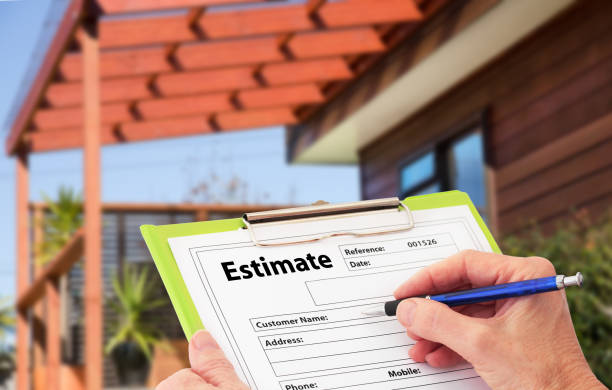
    Offer Cost Estimates to Potential Buyers

    Buyers who are interested in your home will be considering the cost of repairs. The home inspection gives buyers key information, but does not show estimates of costs. Buyers who don’t know the cost of repairs will make costly errors and end up spending more than they should. This could lead to a lower selling price or discourage buyers who make offers. A list of estimated costs can help to prevent these things from happening.

    Basics of Selling a House as is

    Conclusion

    Sometimes selling your house as-is is the best option, especially for those with limited time, energy, or funds to renovate. Many sellers choose to sell their home as is and end up in a losing situation because they received bad advice from an inexperienced real estate agent. Finding a trusted real estate agent is key to a successful sale of a home. They will make it easier, quicker, and more profitable to sell a house than you might think.


  • Why Do Real Estate Agents Need to Have Business Insurance?

    Why Do Real Estate Agents Need to Have Business Insurance?

    Real estate agents often face lawsuits for failing to disclose defects, negligent misrepresentations, and missed disclaimers.

    Real estate transactions may not be the only component of your small business’s services. You might also be interested to learn more about related insurance. Insurance license classes are one of the best ways to learn about business insurance, why it is needed, and how it can benefit you and your business.

    General liability and professional liability claims can both be costly and surprise you. No matter how small or large the mistake you make, lawsuits can be devastating in this emotional and personal area.

    Why Do Real Estate Agents Need to Have Business Insurance?

    These are six reasons real estate agents and independent brokers should protect their business and help them navigate the insurance claims process.

    • Flexible payment options: To help manage your cash flow, we offer monthly payments without any additional fees.
    • Tailored insurance: We are experts in the needs of businesses like yours, and can tailor our coverage to your specific industry.
    • Hiscox claims responsiveness: Once a covered claim has been reported, a designated claims representative will be assigned to you.
    • Contract insurance coverage: Our architect’s insurance coverage meets most standard contract insurance requirements.
    • Hiscox covers the entire world: Hiscox provides worldwide coverage for businesses that are insured. Canada or Territory
    • Passion for service: We are recommended by 4.7/5 of those surveyed.

    Why Do Real Estate Agents Need to Have Business Insurance?

    Why is professional liability insurance important? Real estate agents are exposed to the risk of discrimination claims. If a client files a claim for wrongful discrimination against your agent, having the right professional liability insurance will help protect you. Discrimination claims are serious and something you do not want to have to face on your own. Request a quote for insurance on your real estate agent today to empower your business.


    General liability insurance (sometimes called commercial general liability) could protect your company from claims by another person or entity for bodily injury, medical expenses, and property damage.

    Real estate agents are often not prepared for these kinds of problems. There are many online real estate courses that can be taken to better understand how and why you need to have insurance as a real estate agent.

  • 5 Great Ways to Invest in Real Estate

    5 Great Ways to Invest in Real Estate

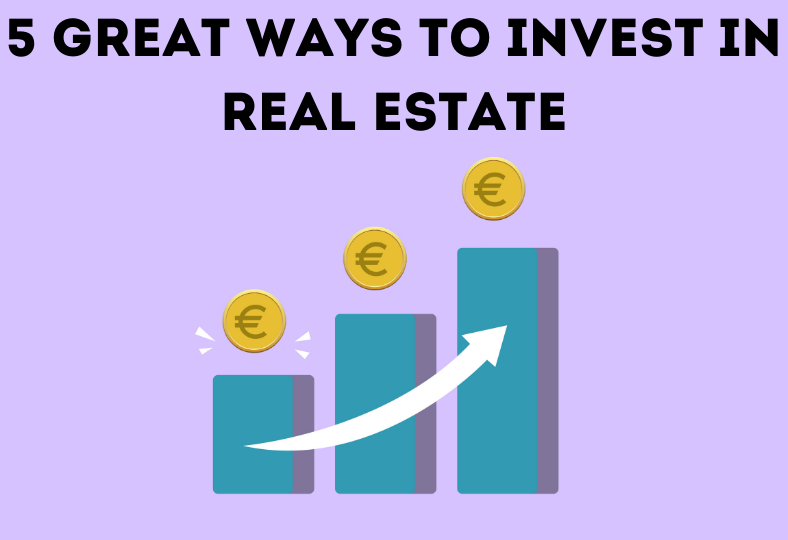
    Real estate investing is definitely a fascinating field with unlimited potential for profit. If you’ve ever wondered about purchasing real estate yourself, or being able to turn your investment skills into a lucrative real estate investing business, you may have considered attending an online real estate school. There are a number of different schools on the internet today, ranging from small regional real estate investing schools to huge multi-million dollar real estate investment schools. But what are the best ways to invest in real estate once you’re ready to get started?

    Real Estate Investment Groups

    If you’re planning on making real estate investing your career, then the first thing you should probably do is look into real estate investment groups. Real estate investment groups are groups formed by ordinary people who wish to invest in real estate for a share of the profits it makes. These groups have meetings and discuss on a regular basis to decide what projects should be tackled next. And what strategies need to be employed in order to achieve success. These meetings may include selling a stake of whatever the real estate investment group earns from such projects.

    But the benefits of real estate investment groups go beyond earning money. Joining a real estate investment group means that you can share ideas with fellow investors that could potentially raise you enough money to purchase your own shares. In addition, it gives you an opportunity to network with people who can teach you about specific real estate investment strategies. The networking opportunity may be a great way to pick up leads and potential clients, which could lead to big profits for you. However, before deciding on joining any specific group, you need to ensure that it is legitimate. There are a lot of scam stories out there so you should always make sure you read up on any testimonials or reviews given. Also, try and join one that has a good reputation and has a history of winning deals. You can’t afford to make mistakes and waste money by joining an investing group that isn’t on track to making money.

    Invest in Real Estate

    Rentals

    Investing in rentals is one excellent starting point for real estate investing. Rental properties will bring equity to your real estate portfolio, generate rental income, and produce rental income with capital appreciation. Investors receive substantial tax benefits and many tax breaks by owning rental real estate. Some rental properties may need repairs but are still worth the expense of repairs. When you rent a property for part of the year and don’t make any equity or rental income, you can write off the difference as an expense on your taxes.

    Another reason why rentals are great investments is because they tend to be much cheaper to maintain than detached houses. When looking for affordable real estate investments, keep in mind that you may be investing in a home that can be foreclosed upon if the market does not rebound as expected.

    Invest in Real Estate

    House Flipping

    Investing in house flipping has become increasingly popular with real estate investors. House flippers purchase a foreclosed home and turn it around for a profit. While house flipping can generate a substantial profit, you need to know what you’re getting into before jumping into the real estate investing business. You may end up purchasing a home that needs expensive repairs or a home that needs to be painted because it no longer fits your lifestyle. 

    Flipping houses is one of the best ways for those investors who are looking to make some fast money. They are usually done quickly, and without much investment involved. Those real estate investors who have been flipping houses for a long time can usually sell a couple of houses a year and make a nice profit from each of them. It is easy to become very good at house flipping, as long as you have a good eye for what sells and how much profit you can make from each house you are selling. Once you have mastered the art of house flipping, you can sell houses for a lot of profit.

    Invest in Real Estate

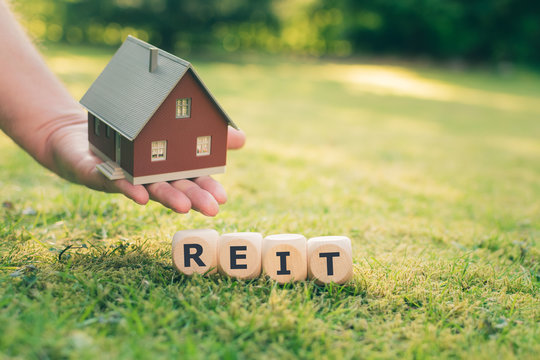
    Real Estate Investment Trusts

    Another common way to earn money in real estate investing is through flipping properties within a trust. For example, instead of buying an apartment building and then flipping it into a rental property, you could purchase a mutual fund that invests in residential properties and lease them out. In this case, you would simply act as a landlord, but you could potentially earn huge profits in a short period of time.

    Another option for making money through real estate investment trusts is through mortgage REITs. Mortgage REITs occur when you buy a property with the intention of turning it around and selling it to a different buyer at a profit later on. Basically, what you do is take a mortgage from a borrower who owns property (usually an individual or a real estate entity) and then sell it back to the lender at a later date. While mortgage REITs usually take a while to recoup your initial investment, the profit you make is generally higher than it would be if you purchased a property outright and later lost the money in property taxes and insurance.

    REIT

    Crowdfunding

    Finally, crowdfunding is a great way to get started in real estate investing. For one thing, there are no taxes due on the capital you raise – that’s why it’s called “crowdfunding”. However, getting a check from your dividend is nice, but keep in mind, you still will owe taxes on these returns. Most crowdfunding projects will send out a tax form detailing how much they owe you on dividends, qualification and return of capital, both of which are usually taxed at very low rates.

    But the greatest advantage to this type of investment is that you are able to manage properties faster than you could by owning them outright. By leveraging your investment funds, you can quickly buy and close deals, increase the length of your real estate investment portfolio and scale down your property investments as your cash flow increases. It’s much easier to make money when you don’t own a property than when you do. By putting your money into a real estate crowdfunding campaign, you can leverage your investment funds even further and accelerate your returns. 

    Crowdfunding

    Conclusion

    Investing in real estate is a great way to have a secure place for yourself in case you ever need it. However, if you are planning on investing in real estate, you will want to consider the risks involved. Don’t forget that real estate investment does involve a lot of money and it is important to understand how much you will be investing in order to be successful. So before getting started, you will want to make sure that you will be able to do everything correctly.

  • The Benefits of Working as an Independent Broker

    The Benefits of Working as an Independent Broker

    In the world of commercial real estate, there are many brokers. These brokers provide services to sellers and buyers of commercial properties. A buyer referred to as a principal may be the individual or the corporation purchasing a commercial property. A broker, on the other hand, is someone or a company who arranges deals between a principal buyer and a seller for an upfront fee when the transaction is successfully executed. A principal who acts as either a buyer or a seller becomes a third party to the transaction.

    What is the Difference Between the Two Roles?

    The difference between these two roles is the brokerage. Traders enter into transactions with brokers in order to execute a trade on their behalf. Brokers provide advice to sellers and buyers of commercial properties. Their role involves the preparation of documents such as contracts and agreements, executing trades, collecting payments, and closing the deals. Brokers also act as introducers and representatives to lending institutions and individuals.

    What Exactly Do Real Estate Brokers Do?

    Each real estate broker has their own unique way of working. Some use their experience and knowledge to help sellers obtain the best loan terms possible and find the best locations to locate their businesses. Other brokers help buyers find properties, identify buyers, and negotiate the best price to sell a home. Still others handle transactions on behalf of lending institutions such as banks, making them brokers in financial fields.

    Benefits of Working as an Independent Broker

    What is the Primary Responsibility of Real Estate Brokers?

    The primary responsibility of a real estate broker is to carry out the transaction. They will typically shop around and make certain that the transaction is done within the lowest cost range to ensure that all parties involved are satisfied. This means negotiating the best price range for the desired property and finding the lowest loan amount from a lender. Many real estate brokers also help set up a purchase agreement for buyers and prepare all necessary paperwork. This will ensure that the transaction is protected and that the final paperwork is completed correctly.

    How Do Real Estate Brokers Take Possession of a Home?

    In order to take possession of the home, brokers must first secure legal approval from the lender or buyer. Once this is obtained, the seller will give the property back to the buyers and the brokers are responsible for taking possession of the house. It’s important for brokers to keep in contact with all of the parties involved in the transaction process to make sure that everything is moving according to schedule. Communication lines should be open between the buyer and the seller should be taking on the role of an escrow agent until the entire transaction is completed. After taking possession of the property, the brokers have to return to the lender or buyer to obtain necessary documentation.

    Benefits of working as a real estate broker

    Conclusion

    Many real estate brokers now work solely to save their clients’ time and money. The primary benefit of working solely as an independent broker is that clients can rest assured knowing that their broker is fully informed on all aspects of the transaction process. Working solely as an independent broker can also be beneficial if you are not experienced in the particular field in which you wish to enter. Brokers can also save a great deal of money by acting as the go-between for buyers and lenders. This allows the brokers the opportunity to gain further understanding and experience in their chosen field and allows them to provide more personalized services to their clients.

  • Real Estate Appraisal

    Real Estate Appraisal

    REAL ESTATE APPRAISAL


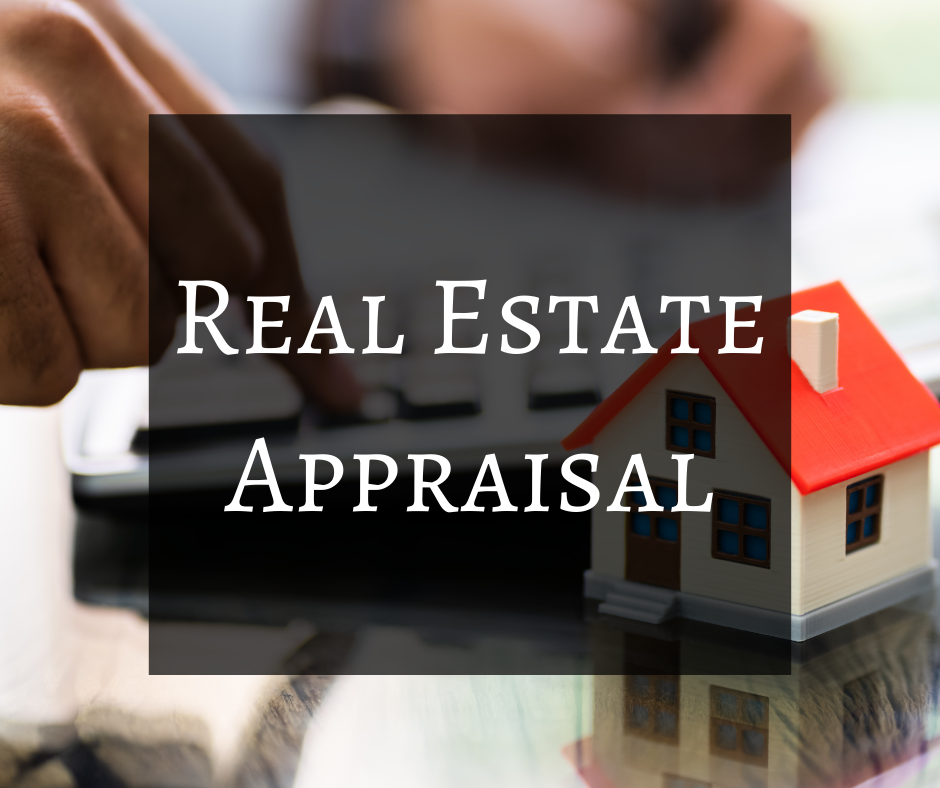
    Real estate appraisal, real estate valuation or estate appraisal is basically the procedure of ascertaining an assessment value for real estate. Appraisals are made for many reasons such as determining the market value of a property, determining whether to purchase or sell a certain property, analyzing the current price trends in real estate, or purchasing a property for investment purposes.  Understanding real estate appraisals are just as important as understanding how does real estate commission work.  Real estate appraisals are often required by tax assessors before they will issue a tax certificate. Real estate appraisals are also frequently required by mortgage lenders when they are lending money for a property. Real estate appraisals are also used in the government’s plan to buy back homes that are in foreclosure.


    Real estate appraisals are an important part of the buying and selling process. Real estate appraisals are usually done by trained appraisers who have experience in the market. Real estate appraisals are important for a number of reasons and the most important part of the process is that they are able to determine the market value of a property. Appraisals are often used to purchase property, but they are also used in many other ways. Because of the importance of real estate appraisals, it is important that you understand how they work.


    When it comes to real estate appraisal, there are many factors that play a role. One of those factors is the way that they are used. One of the most common uses for a real estate appraisal is when lenders are lending money for a property. Many times lenders will hire a real estate appraiser to determine the value of the property that they are giving money to purchase.


    The appraiser must also provide a letter to the lender attesting to the value of the property that they are buying. There are a number of other factors that go into the process of real estate appraisals, but these are some of the main ones. When a real estate appraisal is done, the appraiser must also consider many things including the condition of the property as well as how much time has passed since the last appraisal.


    A good real estate appraisal process also includes a process of negotiation. Real Estate Appraisal is just one of the steps in the lending process. The other steps that go into the lending process is the research of the buyers. The research that the buyers do is important because the research can help the buyers to make sure that they are getting a good deal on the property that they are looking to purchase.


    In order to find the best home appraisal that is right for your needs the first thing that you need to do is find a qualified real estate agent. A qualified real estate agent is the best way to go because he or she knows what it takes to make a home sell. The agent will also help you make sure that your home is priced correctly and will help to get you the best possible deal. If you cannot find a real estate agent that you feel comfortable with, ask friends and family if they would be able to recommend one to you. If you cannot afford to hire an appraiser to help you with your home appraisal then you should also request that your real estate agent to use an appraiser that is certified.

  • Is 2019 The Year for You To Stop Renting and Buy?

    Is 2019 The Year for You To Stop Renting and Buy?

    To Rent Or Buy Your Next Home?

    The decision to rent or buy your next home is a much debated topic for 2019 because there are pros and cons to each. Some people may believe that renting is a better idea because of rising mortgage interest rates and the quick process to rent.

    While this topic is debated by many, if you are looking for the best investment of your money buying a home is definitely the best option. When renting a home you are giving a company or another person all of your money each month and in the end, you have nothing to show for it.

    When you buy a home you are putting your money towards the home and when you go to sell a home you are basically getting your investment back. There are endless benefits to buying a home rather than renting.

    Good Investment

    While the stock markets always fluctuate up and down and can cause you to earn or lose a lot of money at once, owning a home is one of the best investments you could ever make. When the stock market crashes the real estate market generally stays strong.

    This is because people will always need a place to live. While there are small fluctuations in the housing market, depending on where you live, you can typically expect at least a five percent increase in your home each year.

    Buying in a Different Country

    Buying real estate outside of the US has become more and more popular for people as a retirement tool that doubles as a vacation property.  Many real estate investors will rent out the property as a vacation rental or use short term rental options such as AirBnB. Needless to say that each county has their own rules and policies for real estate transactions. 

    Here is some information on buying a home in Mexico for example:

    https://coastalpropertiesofcabo.com/owning-in-mexico/


    While there are expected increases in home values you can significantly increase the value of your home and increase your profits if you choose to make renovations to your home while you own it. Making small investments while you own the home to redo certain aspects of your home like a new kitchen or bathroom can significantly increase your long term profits.

    One of the main reasons flipping shows have become so popular is because of the benefits of owning a home. If you are unsure about investing in a home you can talk to a mortgage counselor or a Realtor about the home buying process.

    Freedom

    If you have ever rented a home before, you know there can be rules (often strict) about what you can and cannot do to the rental. If you own your own home you are free to do what you want to your home when you want to do it.

    You can change the paint, redo the floors, make as much noise as you want, and can move in or out whenever you decide. You are not at the mercy of a landlord who tells you what to do and when to do it. Owning your own home gives you the freedom to do as you wish.

    the process of closing on a home
    the process of closing on a home

    Tax Benefits

    If you are tired of owing the government money during the tax season you can take advantage of the numerous tax benefits that come with owning a home. The government rewards people for owning a home and allows you to use your property taxes and interest paid on your mortgage to your advantage. While there are limitations to these tax benefits most people do not have to worry about the limits that are set for the average person.

    Fixed Housing Rate

    When you rent a home you must constantly worry that the cost of your home can go up after a year, or after your lease runs out. Your landlord could change your rent at the end of your lease with little warning. This can cause you to not be able to afford your rent and may result in you having to move.

    Owning your own home guarantees you fixed housing costs (as long as you stay away from ARMS). While the price you pay may vary slightly based on property taxes you can expect the rate to stay pretty consistent.

    This helps give you peace of mind and increases your financial stability. Not only are you guaranteed a fixed housing rate, but you are also guaranteed the option to move when you want since you are your own landlord.   

    For more information about how to buy a home and make the decision to rent or buy, contact a trusted community Realtor near you today!         


  • 5 Tips For Buying In Panama

    5 Tips For Buying In Panama

    Buying A Home In Panama


    Panama is one of the cities where you would find a large amount of real estate available for sale. You can get a chance to own a home either along the beach, in the beautiful mountains all decisions rests with you as Panama has a variety available to offer.


    Panama is one of the most fabulous places that you would find affordable and luxurious housing that can be offered at a low cost making it an excellent hub for real estate. The cost of living in Panama is relatively small compared to other cities keeping into consideration that it has one of the best amenities that you need and are being issued at a lower cost.


    To buy a home in Panama is not that complicated. Foreigners get the chance to enjoy the same offers that the local citizens are being offered therefore this means If you are willing to purchase a home, you don’t have to go through strict property laws that can derail your dreams of owning a home in Panama.


    Most properties in Panama offers a high definition of luxury due to their modern state of facilities. This has resulted in purchasing a property even before construction is completed but this doesn’t mean you shouldn’t study the market before going ahead and buying a home.


    Why Buy Property In Panama


    Panama is an excellent choice if you want the less expensive cost of living in a cosmopolitan. You get the chance to enjoy international banks, world-class restaurants, multinational businesses and another luxury at a lower price. For instance what you pay to enjoy in Panama is more often half what you would pay in Miami.


    The city has an excellent infrastructure compared to the cities in Central America and has a relatively low population of around 1 million that has a vast diversity.

    In Panama, it is easy to get better services. There is a high speed of internet, an excellent network of calls that means making communication even internationally to be at ease while the airport is quick and more efficient. If you are considering much efficiency, then Panama should be on your list.


    Facts About Home Ownership In Panama


    Most of the land and property in Panama are owned by individuals who act as real estate agents in property management. They sell a home at a fee cost of around 5%. Title insurance and escrow do not exist in Panama but making the deal in a local bank would be much advisable. You should have the property surveyed of its legality to sell and then consider an attorney before making the purchase.


    Not all areas where you can quickly get a title for the property bought. For instance, if you purchased a home in the San Blas region which has been dominated by Kuna Indians, title deeds would be challenging to acquire. People try to collaborate with the Indians in making the purchase but sometimes end up being frustrated. Some of the property also around Bocas del Toro is also owned by the government. Therefore, title deeds would be a hustle.


    You can acquire property through possession rights. This form of selling a home is where you get approved to buy, but actual possession will happen in the future as long as the property is being put into use by the public. This can be put into consideration by a tourist who is willing to visit Panama that they can buy a home


    What To Consider When Buying In Panama


    1. Title Confirmation

    Before making any home purchase, it is essential that you first ensure that the owner of the property has two crucial documents. These are the public deed that contains the site,and an encumbrances certificate that shows that he is the legal owner of the property. You should then find a lawyer who searches the property. In a situation where the seller does not have the documents, you can ask to be issued with the property number to use it for the search. The papers should always be legit and be signed and also contain official stamps.


    1. Promise to Buy

    A sale agreement where you first give the required down payment then later consider having the possession. The person selling a home has to pay for the transfer tax and obtain a clearance certificate.


    1. Transfer the title

    This process is done by your lawyer who finalizes the purchase and the contract to sell. He does the necessary search to ensure that liens don’t exist and later completes the final form as a public deed. A notary public will involved during the transfer of the title but he acts on a neutral basis where he is not a buyer neutral a seller of the homes


    1. Money Transfer

    The best way of making the balance payments is through a revocable letter from a local bank. The process will be done by a lawyer who assists you in acquiring the document. You can also consider giving the seller a bank draft.


    1. Taking into account of purchase the public registry

    This process involves having the attorney file the documents with the civil, and it is the final step. The process takes a couple of weeks, and once that is complete, you will be issued with a registered deed.

  • Buying A Home By The Numbers

    Buying A Home By The Numbers

    Buying A Home By The Numbers

    Real Estate sales in the US has picked up considerably in the past few years. Housing demand has now outweighed supply three years in a row. This lack of property listings has made it a seller’s market for the past several years. In 2017, it only took approximately 81 days to sell a property of median value. The Boston Real Estate market is no exception as it took an average of 72 days to sell a house in the same median value category. The lack of inventory in Boston, like the rest of the nation, has driven property prices up.


    Being Prepared Is Half The Battle

    Being prepared in every step, whether you are buying or selling a home, will put you at an advantage. Considerations when buying a house , remember it’s a purchase that will be with you for many years. Some purchase a home for different reasons, like being tired of investing in someone else’s property or wanting to start a family. Whatever the reason, everyone wants the process to go smoothly. The necessary documentation may vary slightly from lender to lender and state to state. The information provided herein is a good basic rule of thumb. For a more inclusive list check with your Realtor.


    You will need to provide documents from 4 categories such as Identity, Income, Assets, and Credit. These categories are broken down to include the separate documentation required for each.


    Identity

    Photo Identification- A driver’s license or state-issued identification card is required to start the mortgage process. A passport will suffice as photo identification in most instances.

    Social Security Card- In most instances the physical card might not be required. All persons on the mortgage application must have a valid Social Security number.

    Address Verification- Two years of address verification is required. Your lender will stipulate what you can use for this requirement depending upon your current and past living situation.


    Income

    Employer Information- Documentation on your past two years of employment. Employers information will include name, telephone number, and address.

    Earnings- Year-to-date earnings provided by your two most recent paystubs. If you are self-employed, additional documents may be required. A Certificate of Eligibility and DD-214 will be required when an applicant applies for a VA Loan.

    Tax Returns- An applicant is required to provide a prior two years federal tax returns with all schedules, W-2’s, and pages.

    Retirement- All applicants that are retired must provide a recent quarterly statement.


    Assets

    Bank Statements- Prior two months of bank statements, including pages that were left blank intentionally. The lender requests bank statements to ensure the applicants have enough money to cover closing costs and a down payment. The lender will ask for any proof of savings, checking, and money market accounts if applicable.

    Gifts- A gift letter will be required if the applicant received money in the form of a gift towards the loan downpayment. The gift letter ensures the lender that the applicant will not have to repay this money.

    Other Real Estate- Additional documentation will be needed if the applicant owns additional homes or other real estate assets.


    Credit

    Monthly Expenses and Credit Information- Some lenders will ask for proof of any personal loans, student loans, car loans, credit cards, and rent if applicable. The lender usually uses these items to help determine the applicant’s debt-to-income-ratio.

    In Closing, Literally


    These tips can be very helpful, whether you intend to buy a home or sell a home. However, you should check with your agent and potential lender for any additional documentation required for a home loan. Experts suggest a pre-approval letter before looking at available property listings. The pre-approval process will help determine what your maximum loan amount will be and prevents wasted time looking at properties that do not fit your financial criteria. Happy house hunting!